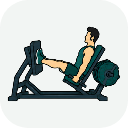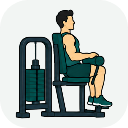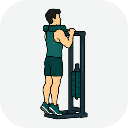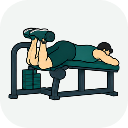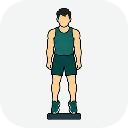
The calf raise is the basic ankle extension: rise onto the balls of your feet against resistance, lower until you feel the stretch. Calves are trained through a very short range with a lot of load, so the two things that decide whether it works are a full stretch at the bottom and enough weight to make the top hard.
How to do it
- Rise onto the toes, pause, and lower until you feel the stretch.
- Bodyweight is fine — the calves see your bodyweight all day, so reps matter.
Common mistakes
- Doing them fast enough that the tendon does the work.
What it trains
- Calves
- extend the ankle — the whole movement, and the only muscle doing real work
- Feet and toes
- hold you balanced on the ball of the foot through the top of each rep
Variations and alternatives
Common questions
Why are my calves not growing?
Usually because the range is short and the reps are fast. Calves already handle your bodyweight thousands of times a day, so a bouncy set of fifteen tells them nothing new — pause a second at the bottom stretch and a second at the top, and the same weight becomes a different exercise.
How many reps should I do for calves?
Ten to twenty works well, and higher than you would use on most lifts, because the range is so short that low-rep sets are over before much happens. Calves also tolerate frequency well, so two or three sessions a week is reasonable.
Do I need to point my toes in or out?
No. The claim that toe angle shifts work between the inner and outer calf head has very little behind it, and the angles that are supposed to do it put the ankle in a rolled position under load. Keep the feet straight and add weight instead.
In StackUp. Logged as weight and reps per set, and your heaviest working set decides whether the weight goes up next time. Get the app.
Legs