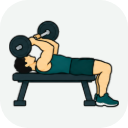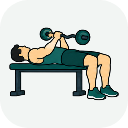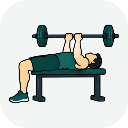
The close-grip bench press is a normal bench with the hands about shoulder width, which lengthens the distance the elbows have to travel and hands the job to the triceps. It is the only triceps movement you can load like a main lift, which makes it the one to put first in a session when arm strength rather than arm size is the goal.
How to do it
- Hands about shoulder width — closer than that punishes the wrists for no extra triceps.
- Keep the elbows tucked and lower to the lower chest.
Common mistakes
- Gripping so narrow the hands touch, which is a wrist problem waiting to happen.
What it trains
- Triceps
- extend the elbows — the prime mover, and what fails first near lockout
- Chest
- still drives the bar off the chest, just with less leverage than on a wide grip
- Front delts
- assist through the middle, more than they do on a normal bench
- Upper back
- keeps the shoulder blades pinned so the press has a base to push from
Variations and alternatives
Common questions
How close should my grip actually be?
Roughly shoulder width, with the index fingers on or just inside the knurling marks. Hands touching does not train the triceps any harder and it twists the wrists badly; most of the shift happens in the first few inches of narrowing.
Why do my wrists bend back on close-grip bench?
The narrower grip puts the bar further out towards the fingers, so it sits behind the forearm rather than over it. Push the bar back into the heel of your hand, keep the knuckles pointing at the ceiling, and go a touch wider if it still folds. Wraps help at heavy loads but they do not fix bar position.
Will close-grip bench improve my normal bench?
Usually yes, if you miss near lockout — that is the part of the press the triceps own. If you stall with the bar on your chest, more close grip will not help and a paused bench or more chest work is the better answer.
Should I tuck my elbows more than on a regular bench?
Slightly, yes. The narrow grip pulls the elbows in naturally and fighting that by flaring wide grinds the shoulder for no reason. Let them sit around 30 to 45° from the torso and let the bar land lower on the chest than usual.
In StackUp. Logged as weight and reps per set, and your heaviest working set decides whether the weight goes up next time. Get the app.
Arms