Weight and reps
Dumbbell Shoulder Press
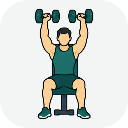
The dumbbell shoulder press is the overhead press with two independent weights, so each arm has to hold its own line and neither can carry the other. That independence is the point: the path is yours to choose rather than the bar's, and it goes straight past your face instead of around it.
How to do it
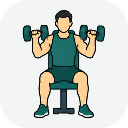
- Start with the dumbbells at ear height, palms forward or slightly turned in.
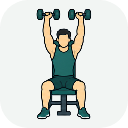
- Press up without banging them together at the top.
Common mistakes
- Flaring the elbows straight out to the sides, which grinds the shoulder.
What it trains
- Front delts
- the prime mover through the whole press
- Side delts
- contribute more than on a barbell, because the arms travel out as well as up
- Triceps
- finish the lockout on each side separately
- Rotator cuff and upper back
- keep each dumbbell stacked over its shoulder — the work you never see on the weight stack
Variations and alternatives
Common questions
Should my palms face forward or in?
Forward loads the front and side delts most directly; a neutral grip with the palms facing each other is usually the more comfortable option if your shoulders object. Neither is wrong — pick the one you can press through a full range without pain and stick with it.
How do I get heavy dumbbells into position?
Rest them on your thighs seated, then kick one knee up at a time to punch each dumbbell to shoulder height. Trying to curl them up is how people lose sets they were strong enough to do.
Should the dumbbells touch at the top?
No. Banging them together adds nothing and tends to make people shorten the last part of the press. Bring them close, keep the elbows just short of locking hard, and let the tension stay on the shoulder.
In StackUp. Logged as weight and reps per set, and your heaviest working set decides whether the weight goes up next time. Get the app.
Shoulders