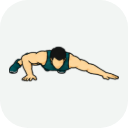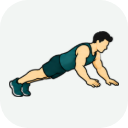
A plyometric push-up is a push-up pressed hard enough that your hands leave the floor, with a clap in the air if you want one. It trains how fast you can produce force rather than how much, which is why it belongs early in a session, in short sets, while you are fresh.
How to do it
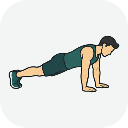
- Start in a normal push-up position, body braced in one line from head to heels.
- Lower under control, then push as hard and fast as you can so your hands leave the floor.
- Land on soft, bent elbows and sink straight into the next rep.
Common mistakes
- Landing on locked elbows, which sends the impact straight into the joints.
- Carrying on once the reps slow down; a slow plyometric push-up is just a tired normal one.
What it trains
- Chest
- produces the explosive push that launches you off the floor — the prime mover
- Triceps
- snap the elbows straight at the end of the push, then help absorb the landing
- Front delts
- assist the push and hold the shoulder in place as you land
- Core
- keeps the body rigid so it leaves the floor and lands as one piece
Variations and alternatives
Common questions
Do I have to clap on plyometric push-ups?
No. The clap only proves your hands were in the air long enough; the training effect comes from the push itself. A few centimetres of air and a controlled landing do the job, and they are the better choice until your landing is solid.
How strong do I need to be for plyometric push-ups?
Enough for about 15 clean regular push-ups. The landing hits your wrists, elbows and shoulders harder than any normal rep, and absorbing it takes strength in reserve. If you are not there yet, do them explosively with your hands on a bench, where the landing is gentler.
How many plyometric push-ups should I do?
Three to six per set, with a full rest between sets. Every rep should be as fast as the first, and once your hands barely leave the floor the set is over. StackUp raises your target reps when you reach the top of your range, so keep that range low — it should never push you into slow reps.
Do plyometric push-ups build chest muscle?
Not much. The sets are short and the goal is speed, so they add little size compared with the same time spent on normal push-ups or a bench press. Pick them for power, and use a press with a normal rep range for muscle.
In StackUp. Logged as reps per set. Add weight if you use a belt or a dumbbell and StackUp progresses it like any other lift. Get the app.
Chest