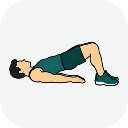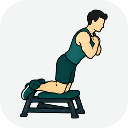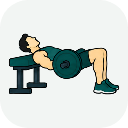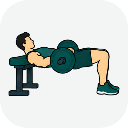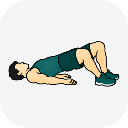
The frog pump is a glute bridge done with the soles of your feet together and the knees pushed out wide. That position puts the hip in external rotation before you start, which is where the glutes are in their strongest line of pull — so the movement is short, the range is small, and it burns far more than the load suggests.
How to do it
- Soles of the feet together, knees out wide, then bridge up.
- The position pre-shortens the glutes, so high reps work better than heavy load.
Common mistakes
- Letting the knees close as you rise.
What it trains
- Glutes
- extend the hip from a rotated-out position — effectively the only muscle doing the work here
- Hamstrings
- assist slightly, and much less than in a normal bridge because the heels are not pushing back
- Abs
- keep the ribs down so the lift comes from the hips rather than the lower back
Variations and alternatives
Common questions
How many reps should I do on frog pumps?
High — twenty to thirty is normal, and sets of fifty are not unusual. The range is tiny and you cannot load it much, so this is a finisher that earns its place through reps and time under tension, not through weight on the bar.
Can I add weight to a frog pump?
Yes, a dumbbell or plate across the hips works, though the feet-together position makes it harder to keep a heavy bar balanced there. Most people get more out of adding reps and slowing the lowering phase than out of chasing load on this one.
Why do I feel frog pumps in my hamstrings?
Usually because your heels are too far from your hips, which lets the hamstrings take over the extension. Slide the feet in toward your body and push the knees wider — if the burn still lands behind the thigh, press through the outside edge of each foot rather than the heel.
In StackUp. Logged as reps per set. Add weight if you use a belt or a dumbbell and StackUp progresses it like any other lift. Get the app.
Glutes