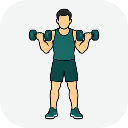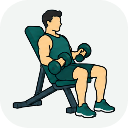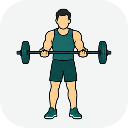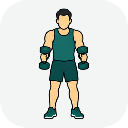
A hammer curl is a dumbbell curl with the palms facing each other, and that neutral grip takes the biceps out of its strongest position and hands more of the work to the brachialis and the brachioradialis in the forearm. Those are the muscles that make an arm look thick from the side, and they usually let you handle more weight than a normal curl does.
How to do it
- Neutral grip throughout — this hits the brachialis and forearm alongside the biceps.
- Keep the wrists straight; the dumbbell should not tilt.
Common mistakes
- Rotating to a supinated grip halfway, which makes it an ordinary curl.
What it trains
- Brachialis
- the main beneficiary — a neutral grip is where it does the most work
- Biceps
- still flex the elbow, just from a mechanically weaker half-turned position
- Forearms
- the brachioradialis runs along the top of the forearm and is heavily loaded by this grip
Variations and alternatives
Common questions
Are hammer curls better than normal curls for arm size?
Not better, different. They hit the brachialis harder, which sits between the biceps and the bone and pushes the biceps up as it grows — so it adds width to the arm viewed from the side. Do both rather than choosing; they are not substitutes.
Why can I hammer curl more than I can regular curl?
Because the neutral grip brings in the brachioradialis, a genuinely strong forearm muscle that contributes almost nothing with the palm up. More muscle on the job means more weight, so do not read the bigger number as your biceps being stronger.
Should I curl across my body or straight up?
Straight up along the side of your torso for the standard version. The cross-body variant shortens the range slightly and some people feel the brachialis more on it, but it also invites the shoulder to swing, so keep the elbow still whichever you choose.
In StackUp. Logged as weight and reps per set, and your heaviest working set decides whether the weight goes up next time. Get the app.
Arms