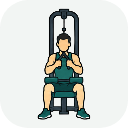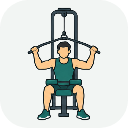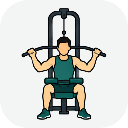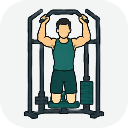
The single-arm lat pulldown is a pulldown done one side at a time with a single handle, seated at the pulldown station or kneeling at a cable tower. With one arm the elbow can travel down and slightly behind you in an arc a bar does not allow, which gives the lat a longer stretch at the top and a harder squeeze at the bottom. It is also the honest way to find out whether one side has been getting a free ride on the other.
How to do it
- Take a single handle and start with the arm fully stretched overhead, letting the shoulder rise with it.
- Drive the elbow down toward your hip and finish with the hand beside your chest.
- Keep your torso still — the arm moves, you do not lean away from the stack.
Common mistakes
- Twisting the torso toward the working side to drag the handle down.
- Doing more reps with the strong arm than with the weak one.
What it trains
- Lats
- pull the upper arm down toward the hip, through a longer arc than any two-handed pulldown
- Biceps
- bend the elbow, more so if you turn the palm to face you
- Upper back
- draws the shoulder blade down and in at the end of the pull
- Obliques
- stop the one-sided pull from bending your torso toward the handle
Variations and alternatives
Common questions
Do I log both arms?
No — log the reps of one arm. Ten on each side is a set of ten, not twenty, and StackUp judges your heaviest set against your rep range and suggests the next weight from it, like any other lift. Use the same weight on both sides, start with the weaker arm, and stop the stronger one at the same number.
Should I sit or kneel for single-arm pulldowns?
Sitting at the pulldown station with your thighs under the pad is the most stable and the easiest to load heavy. Kneeling at a cable tower lets you set the pulley higher and lean into a longer stretch, at the cost of some stability. Both train the same muscle; keep to one so your numbers stay comparable.
Is the single-arm pulldown better than the regular lat pulldown?
Not better — a different tool. The two-handed pulldown moves far more weight and is the better strength builder; the single-arm version gives a longer range, a clearer feel for the lat and shows up a weaker side. Doing the heavy pulldown first and the single-arm one after it gets you both.
In StackUp. Logged as weight and reps per set, and your heaviest working set decides whether the weight goes up next time. Get the app.
Back