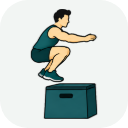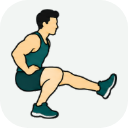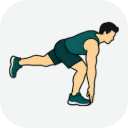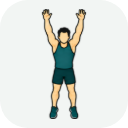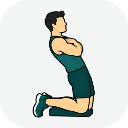
The sissy squat is a bodyweight quad movement where you keep the hips extended and drive the knees forward, leaning back as you descend until your torso and thighs are almost in one line. The hip never bends, so the glutes and hamstrings contribute nothing — it is the closest thing to a free-weight leg extension, and it loads the quads at a stretch nothing else reaches.
How to do it
- Knees travel forward while the hips stay extended — this is a pure quad stretch.
- Hold something for balance until the movement is familiar.
Common mistakes
- Adding load early. Bodyweight is plenty for knees that have not done this before.
What it trains
- Quads
- resist the knee bending as you lean back — the only real mover, and loaded at a long stretch
- Abs
- hold the trunk in line with the thighs instead of letting the hips fold
- Calves
- hold you up on the balls of your feet through the descent
Variations and alternatives
Common questions
How do I do a sissy squat without a sissy squat bench?
Hold a rack upright or a cable machine with one hand for balance, rise onto the balls of your feet, and let your knees travel forward as you lean back. The hand on the rack is what makes it possible at all when you start, and you use it less over time.
Are sissy squats bad for your knees?
They put the knee under load in a deeply flexed, forward position, which is demanding — but so is any deep squat, and it is the depth people rush into rather than the movement itself that causes trouble. Build the range gradually and stop well short of where it pinches.
How do I make sissy squats harder?
Slow the descent down to four or five seconds before adding any load. Once that is easy, hold a plate against your chest — but bodyweight with a genuine tempo is harder than most people expect, and there is no rush to load it.
In StackUp. Logged as reps per set. Add weight if you use a belt or a dumbbell and StackUp progresses it like any other lift. Get the app.
Legs