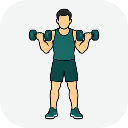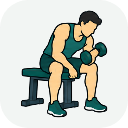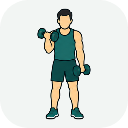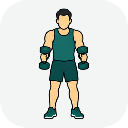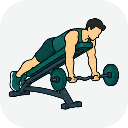
A spider curl has you lying chest-down over an incline bench with the arms hanging straight down, so gravity pulls the dumbbells away from you and there is nowhere for momentum to come from. It is the strictest curl there is, and the top of the rep is the hardest part, which is the opposite of nearly every other curl.
How to do it
- Chest on an incline bench with the arms hanging straight down.
- The arms stay vertical — only the forearm moves.
Common mistakes
- Pulling the elbows back, which turns it into a row.
What it trains
- Biceps
- flex the elbow with the arms hanging vertically — hardest at the top, where most curls go slack
- Brachialis
- assists throughout, and the short head of the biceps is emphasised by the arm position
- Forearms
- hold the dumbbells while the arms dangle with nothing to brace against
Variations and alternatives
Common questions
What is the difference between a spider curl and a preacher curl?
Where the resistance is hardest. A preacher pad angles the arms forward so the bottom of the rep is the killer; a spider curl hangs the arms straight down so the top is. They are the two ends of the same idea, and running one after the other covers the whole range.
Do I need a special bench?
No. Set an adjustable bench to about 45° and lie face down on it with your chest against the pad and arms hanging past the top edge. A dedicated spider bench is more comfortable, but nothing about the movement requires one.
Why can I barely use any weight?
Because you have removed the swing, the shoulder, and the easy top half of the rep in one setup. Expect roughly half your standing dumbbell curl and treat that as correct — the whole reason to lie on the bench is that cheating is no longer available.
In StackUp. Logged as weight and reps per set, and your heaviest working set decides whether the weight goes up next time. Get the app.
Arms