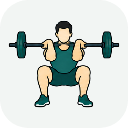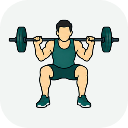
The back squat is the barbell lift that trains the most muscle at once, and the standard measure of lower-body strength. It loads quads, glutes and the whole trunk through a deep knee and hip bend, and unlike a leg press it makes you hold the weight yourself — which is most of the reason it is hard and most of the reason it carries over.
How to do it
- Bar on the traps, feet about shoulder width, toes turned slightly out.
- Break at the hips and knees together and sit down between your feet, not behind them.
- Go to at least parallel, then drive up with the chest staying where it started.
Common mistakes
- Knees caving inward on the way up. Push them out over your toes instead.
- Cutting depth to add weight, which changes the exercise rather than progressing it.
What it trains
- Quads
- extend the knees out of the bottom — the prime mover
- Glutes
- extend the hips, and take a larger share the deeper you squat
- Hamstrings
- assist the hips and hold the knee stable through the ascent
- Lower back and abs
- keep the torso from folding forward under a bar sitting on your shoulders
Variations and alternatives
Common questions
How deep should I squat?
At least until your hip crease passes your knee, if you can get there with a neutral spine and your heels down. Depth beyond that is a mobility and preference question — but a half squat with a big number on the bar builds noticeably less than a full one with less.
Is it bad if my knees go past my toes?
No. Knees travelling forward is normal and unavoidable for most body proportions, especially in a front squat or a deep high-bar squat. The cue was always a rough way of saying "do not let your heels lift".
High bar or low bar?
High bar sits on the traps and keeps you more upright, favouring the quads. Low bar sits across the rear delts and lets you use more hip, which is usually a little heavier. Pick one and stay with it long enough to progress — they are different lifts and their numbers are not comparable.
Do I need a belt?
Not to start. A belt gives your abs something to brace against and is worth having for heavy sets once you are lifting near your limit, but learning to brace without one first is what makes it useful later.
In StackUp. Logged as weight and reps per set, and your heaviest working set decides whether the weight goes up next time. Get the app.
Legs